Goryeong Hyanggyo
고령향교
This name was machine-translated from Korean.
AttractionsGyeongsangbuk-do
- Address
- Goryeong-gun, Gyeongsangbuk-do
- 경상북도 고령군 대가야읍 향교길 29-18
About
This place
This description was machine-translated from the Korea Tourism Organization's Korean original.
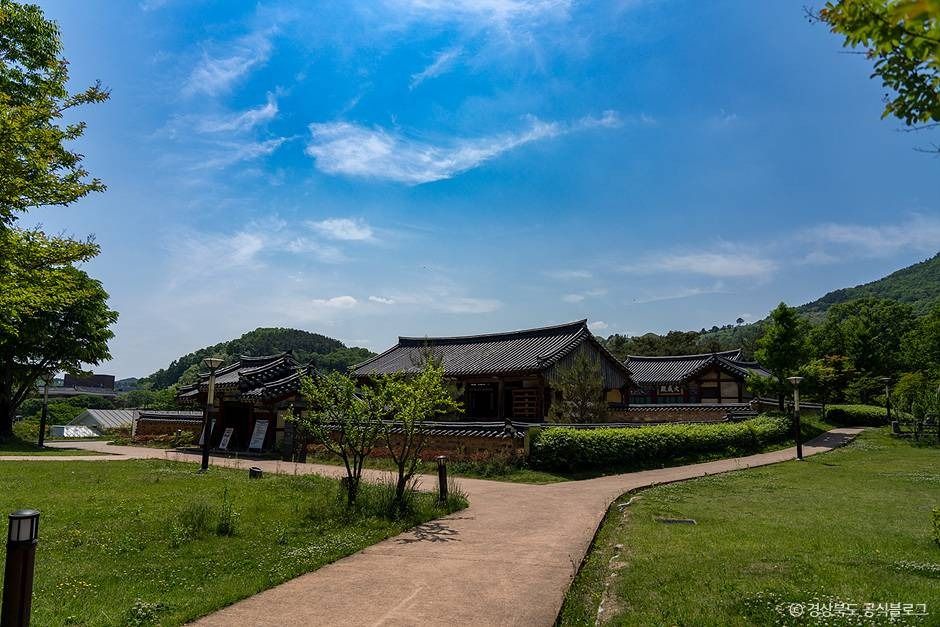
Goryeong Hyanggyo is a national educational institution established for ancestral rites to sages and Confucian education, and is located within the historic site in Yeonjo-ri in the center of Daegaya-eup. It was first built below Jusan in 1413 (the 13th year of King Taejong’s reign), and after it burned down during the Imjin War, it was rebuilt behind Gwaneumsa Temple. In 1701 (the 27th year of King Sukjong’s reign), Magistrate Gu Mun-yu relocated it to its present site, and in 1819 (the 19th year of King Sunjo’s reign), Magistrate Gwon Jeung-i expanded and repaired it. This is the most historically significant site in Goryeong, where a palace stood in the Daegaya period, the temple Mulsansa from Unified Silla through the Goryeo period, and a hyanggyo in the Joseon period. It is a hyanggyo of the jeonhakhumyo (lecture halls in front, shrine behind) layout, situated on the slope of Jusan facing southeast. On the two-tiered grounds, the lecture space at the front has an outer three-gate entrance and Myeongnyundang Hall, while the ritual space at the rear has an inner three-gate entrance and Daeseongjeon Hall arranged on a straight axis. To the left and right of Daeseongjeon are Dongmu and Seomu, and on the side of the ritual space is Binhungjae. Daeseongjeon is a gable-roofed building measuring three bays across the front and two bays on the side; its structure is a five-purlin frame with choikgong brackets, and the stylobate is built of granite slab stones. Myeongnyundang measures five bays across the front and 2.5 bays on the side, in the jungdanghyeopsil form with a three-bay wooden-floored hall in the center and two-bay-deep ondol rooms on either side. The structure of Myeongnyundang is a five-purlin frame without wing brackets (muikgong), and a long wooden veranda (toenmaru) is installed at the front. Dongmu and Seomu, placed sideways to the left and right of Daeseongjeon, are ㅡ-shaped gable-roofed buildings measuring three bays across the front and one bay on the side. Goryeong Hyanggyo well represents the characteristics of hyanggyo architecture in the Gyeongbuk region built after the 18th century.
Map